
EPAL Grades Explained
The EPAL licensed Euro pallet is graded by both age-of-production (EPAL 1, 2 and 3) and by visual condition once it enters the secondary market. Misreading either grade is one of the easier ways to overpay in the Euro pool. This page explains both axes and how we price each condition class at the Widnes yard.
EPAL 1, 2 and 3 By Production
EPAL 1 is the 1200 x 800mm standard Euro, the most common in UK warehousing. EPAL 2 is 1200 x 1000mm, built to the same spec but sized for a UK pallet footprint. EPAL 3 is 1000 x 1200mm portrait, used in certain retail and automotive applications. All three are licensed under EPAL and carry the EUR-in-oval mark, the EPAL-in-oval mark, and an IPPC heat-treatment stamp.
For the full Euro range see our Euro EPAL pallets pillar, and for the UK vs Euro footprint debate see Euro pallet vs UK pallet.
EPAL 1, 2 and 3 By Production
EPAL 1 is the 1200 x 800mm standard Euro, the most common in UK warehousing. EPAL 2 is 1200 x 1000mm, built to the same spec but sized for a UK pallet footprint. EPAL 3 is 1000 x 1200mm portrait, used in certain retail and automotive applications. All three are licensed under EPAL and carry the EUR-in-oval mark, the EPAL-in-oval mark, and an IPPC heat-treatment stamp.
For the full Euro range see our Euro EPAL pallets pillar, and for the UK vs Euro footprint debate see Euro pallet vs UK pallet.
Condition Grading: White, Blue, Red
Independent of the production grade, used EPAL pallets are traded by condition: White (A grade, near-new, no damage, clean boards); Blue (B grade, one or two replaced components but fully serviceable); and Red (C grade, heavily used, repaired multiple times, budget applications only). The EPAL licence only guarantees the original build, not the condition, so condition pricing matters.
We price White, Blue and Red separately and stage the stock separately at the yard. White grade trades at a premium in the current market because supply is tight and retail customers need the presentation. Blue is the workhorse tier for closed-loop operations. Red is rarely resold in the UK but is common in export and one-way applications.
Condition Grading: White, Blue, Red
Independent of the production grade, used EPAL pallets are traded by condition: White (A grade, near-new, no damage, clean boards); Blue (B grade, one or two replaced components but fully serviceable); and Red (C grade, heavily used, repaired multiple times, budget applications only). The EPAL licence only guarantees the original build, not the condition, so condition pricing matters.
We price White, Blue and Red separately and stage the stock separately at the yard. White grade trades at a premium in the current market because supply is tight and retail customers need the presentation. Blue is the workhorse tier for closed-loop operations. Red is rarely resold in the UK but is common in export and one-way applications.
EPAL Grades FAQs
Since 2013 only pallets carrying the EPAL-in-oval mark are licensed for the EPAL pool. Older pallets with the EUR-in-oval mark alone are still commonly accepted but are no longer new-build. In practice, EPAL has become the dominant licence for new Euro pallets across Europe.
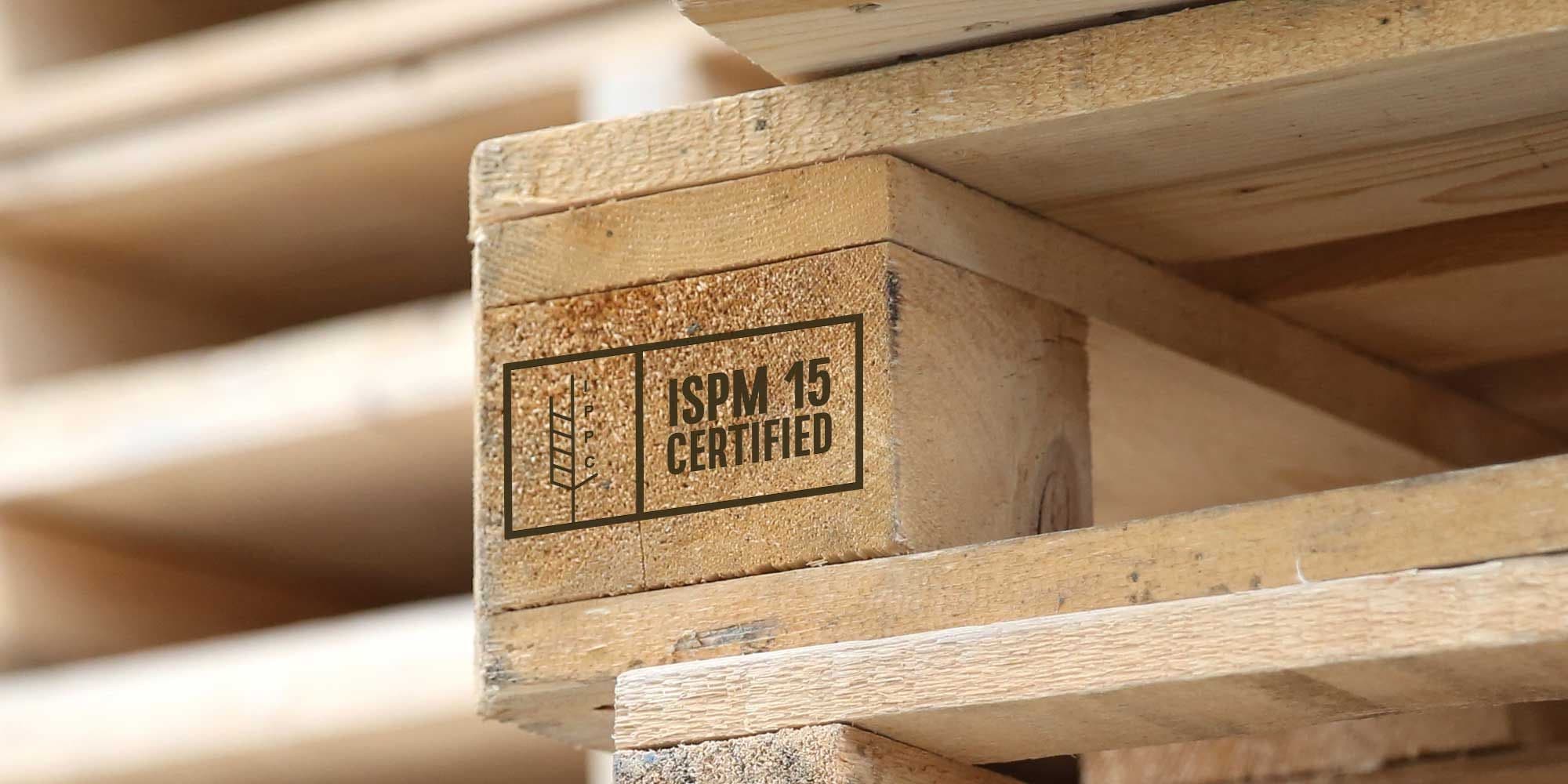
Yes. Every licensed EPAL pallet is manufactured under the ISPM15 standard and marked with an IPPC heat-treatment stamp. That makes them export-ready by default.
Market price fluctuates with softwood costs and Euro pool demand. White typically trades 15 to 25 percent below new EPAL list price, Blue at 35 to 50 percent, Red cheaper again. Pricing resets week to week. Contact us for a live quote.
Yes. EPAL operates an open exchange pool across Europe. Palltech trades in and out of the pool and can supply exchange stock for net-one deliveries against surplus you hold.
Yes. EPAL 1 is the 1200 x 800mm Euro pallet that most UK customers know as the Euro, CP or UIC pallet. It is the same footprint, same load spec and same block-pallet construction.
For closed-loop warehouse operations White is nearly always the better buy: the cosmetic and structural gap versus new is small, the cost saving is meaningful at volume. For customer-facing retail shipments or export-audit environments, new EPAL is worth the premium.
Get an EPAL pallets quote
We deliver and collect within a 75-mile radius of our Widnes depot. Please include your delivery or collection postcode so we can confirm coverage.
Related products and guides
Back to the Euro EPAL pallets pillar. Deeper reading: Euro pallet vs UK pallet, types of pallets and pallet grades A, B, C. Export-ready by default, relevant to export supply chains.